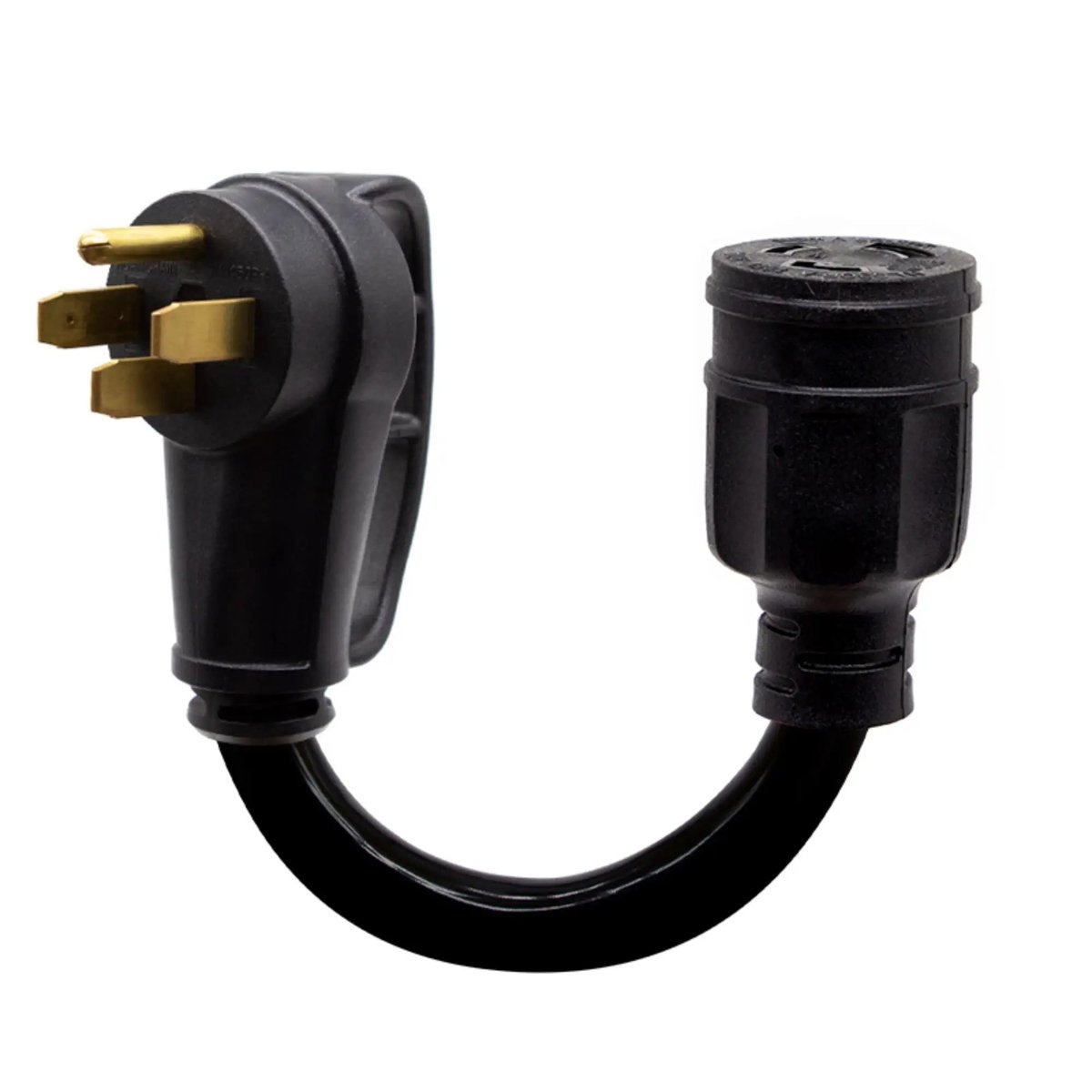
Power outages, whether from a summer storm or a winter freeze, can plunge your home into darkness and disrupt modern life in an instant. For many, a portable generator offers a vital lifeline, but connecting that generator safely and effectively to your home's electrical system or your RV isn't always as simple as plugging it in. This is where understanding 30 Amp Generator Cable Applications and Adapters becomes absolutely critical. It’s not just about getting power; it’s about getting it reliably, efficiently, and most importantly, safely.
Let’s be frank: navigating the world of generator cables, plugs, and adapters can feel like deciphering an arcane electrical code. But with the right knowledge, you can ensure your home or RV remains powered when the grid goes dark, all while protecting your valuable equipment and loved ones. This guide will cut through the jargon, demystify the connections, and provide you with actionable insights to master your 30-amp generator setup.
At a Glance: Key Takeaways for Your 30-Amp Generator Setup
- 30-amp cables are essential for safely delivering substantial power from your generator to your home or RV.
- NEMA L14-30 is the standard for home backup, while NEMA TT-30 is typically for RVs. Knowing the difference is crucial.
- Adapters bridge the gap between different plug types, but must be used carefully to avoid overloading or safety hazards.
- Always prioritize safety with proper grounding, transfer switches or interlocks, and never backfeed the grid.
- Cable gauge and length significantly impact performance and safety; choose wisely to prevent voltage drop and overheating.
- Invest in quality components and understand your generator's capacity to ensure reliable operation.
The Unsung Hero: Why Your 30-Amp Generator Cable Matters So Much
Think of your 30-amp generator cable not just as a wire, but as the critical artery connecting your emergency power source to the vital organs of your home. It’s the conduit that allows your refrigerator to hum, your lights to glow, and your well pump to bring water to your taps when everything else goes silent. Without the right cable, properly matched to your generator and electrical system, you might as well have no generator at all.
A 30-amp connection is a sweet spot for many homeowners. It offers significantly more power than a standard 15 or 20-amp outlet, allowing you to run multiple essential appliances simultaneously, like a furnace, refrigerator, some lights, and perhaps a few smaller electronics. This level of power moves you beyond mere survival and into a realm of genuine comfort during an outage.
But with greater power comes greater responsibility. An improperly chosen or misused cable or adapter can lead to:
- Overheating: Too thin a wire for the load, or too long a run, can cause the cable to heat up, creating a fire risk.
- Voltage Drop: Loss of power over distance, leading to appliances running inefficiently or potentially damaging sensitive electronics.
- Electrical Hazards: Incorrect wiring, lack of grounding, or backfeeding the grid can be fatal.
Understanding your 30 amp generator power cables is the first step toward secure, safe, and effective emergency power.
Decoding 30-Amp Connections: Plugs, Receptacles, and What They Mean
Before diving into applications and adapters, we need to understand the fundamental language of 30-amp electrical connections. Not all 30-amp plugs are created equal, and mistaking one for another can range from merely inconvenient to outright dangerous.
NEMA L14-30: The Workhorse for Home Backup
When you hear "30-amp generator connection" in the context of home backup, chances are people are talking about the NEMA L14-30.
- Appearance: This is a 4-prong, twist-lock plug (L14-30P) and receptacle (L14-30R). The "L" stands for locking, meaning once inserted, you twist the plug to secure it, preventing accidental disconnection.
- Functionality: The L14-30 provides two 120-volt "hot" legs, a neutral, and a ground wire. This configuration allows it to supply both 120-volt and 240-volt power simultaneously. Most generators rated for 5,000 to 7,500 watts (which are common 30-amp models) feature this outlet.
- Applications: It’s the standard connection for feeding power into a home's electrical panel via a manual transfer switch (MTS) or an interlock kit. It handles the needs of larger appliances that might require 240V (like a well pump or central AC fan) while also powering your standard 120V household items.
NEMA TT-30: The RV Standard
The TT-30 is another common 30-amp connection, but it's fundamentally different from the L14-30.
- Appearance: This is a 3-prong, straight-blade plug (TT-30P) and receptacle (TT-30R). The "TT" stands for travel trailer.
- Functionality: The TT-30 provides a single 120-volt hot leg, a neutral, and a ground. It only supplies 120-volt power, making it unsuitable for direct 240V applications.
- Applications: It's the ubiquitous shore power connection for most medium-sized RVs, allowing them to draw 30 amps of 120V power from campground pedestals or dedicated generator outlets. Many smaller generators specifically designed for RV use will feature a TT-30R outlet.
Why the Distinction Matters: You absolutely cannot plug an L14-30 into a TT-30 receptacle, and vice-versa, without an appropriate adapter. More importantly, using an adapter doesn't magically change the voltage or amperage capabilities of your source or destination. A TT-30 generator, for example, can only provide 120V power, even if you adapt it to an L14-30 inlet.
Primary Applications: Powering Your World with 30 Amps
Now that we've identified the main players, let's explore where these 30-amp connections truly shine.
Home Backup Power: Staying Connected When the Grid Fails
This is perhaps the most critical application for a 30-amp generator cable. When utility power drops, a properly connected 30-amp generator can keep your essentials running.
- Connecting to a Manual Transfer Switch (MTS):
- How it works: An MTS is a dedicated panel that allows you to safely switch your home's selected circuits from utility power to generator power. It's permanently wired into your home's electrical system.
- The Cable: Your 30-amp L14-30 generator cable connects from your generator's L14-30R outlet to a matching L14-30P generator inlet box mounted on the exterior of your home. A dedicated conduit then runs from this inlet box to the MTS inside.
- Benefits: This is the safest, most reliable method for home backup. It completely isolates your home from the utility grid, preventing dangerous backfeeding, and ensures your critical circuits receive clean, stable power. Learn more about selecting the right generator transfer switch.
- Connecting via an Interlock Kit:
- How it works: An interlock kit is a mechanical device installed on your main electrical panel. It physically prevents the main utility breaker and the generator breaker from being "ON" simultaneously.
- The Cable: Similar to the MTS, your L14-30 generator cable connects to an L14-30P generator inlet box. This inlet box is then wired directly to a dedicated 30-amp breaker in your main service panel.
- Benefits: Interlocks are a more economical alternative to a full transfer switch, offering a safe way to backfeed your entire panel (or selected circuits) from the generator, provided you manage your loads carefully. Understanding electrical panel interlocks is key for safe operation.
Crucial Note: Never, under any circumstances, attempt to "backfeed" your home by plugging your generator directly into a standard wall outlet. This is extremely dangerous, can electrocute utility workers, and damage your generator and home wiring. Always use an approved transfer switch or interlock kit installed by a qualified electrician.
RV Shore Power & Generator Use: Powering Your Home on Wheels
For RV enthusiasts, 30-amp connections are the backbone of their mobile power supply.
- Shore Power: When parked at a campground, your RV typically connects to a 30-amp (TT-30R) pedestal outlet using a TT-30 generator cable. This cable powers all your RV's 120V systems, from air conditioning to microwave.
- Generator Use for RVs: If your RV has a built-in generator, it will likely have a TT-30R outlet to power the RV's internal systems. If you're using a portable generator, you'll either need one with a TT-30R outlet or an adapter to convert another 30-amp output (like an L14-30) to a TT-30R.
- Adapting to 50A RVs: Many larger RVs use a 50-amp (14-50R) connection for even greater power. You can use a 30-amp generator to power a 50-amp RV, but you must use an appropriate adapter (e.g., TT-30P to 14-50R) and understand that your RV will still only receive a maximum of 30 amps of 120V power. This means you'll need to carefully manage your loads to avoid tripping breakers. You will not get the full 50 amps.
Workshops and Job Sites: Heavy-Duty Tool Operation
Beyond home and RV, 30-amp generator power is invaluable for demanding tasks.
- Running Heavy Tools: Many larger power tools, air compressors, welders, and other industrial equipment require more than a standard 15 or 20-amp circuit. A 30-amp generator, especially one with an L14-30 outlet (offering both 120V and 240V), can power these tools effectively.
- Temporary Power: For construction sites or remote workshops without grid access, a 30-amp generator provides robust temporary power for lighting, heating, and various machinery. You might use portable generator safety tips in these settings as well.
Mastering Adapters: Bridging the Power Gap Safely
Adapters are your best friends in the world of generator power, allowing you to connect different plug types. However, they demand careful use and a solid understanding of what they can and cannot do.
When and Why You Need Adapters
You'll typically reach for an adapter when:
- Your generator's output doesn't match your inlet or appliance. (e.g., an L14-30 generator, but you need to power a TT-30 RV).
- You need to split the generator's power into multiple smaller circuits (e.g., from an L14-30 to several 5-15R household outlets).
- You're trying to power an appliance or RV that requires more amperage than your generator provides, with the understanding that you cannot draw more than the generator's rating.
Common 30-Amp Generator Adapters Explained
Let's look at the most frequent adapter scenarios:
- L14-30P to 5-15R (Standard Household Outlet):
- Description: This adapter plugs into your generator's L14-30R outlet and provides one or more standard 5-15R household receptacles. Sometimes these are "spider boxes" or multi-outlet power strips.
- Use Case: Ideal for powering individual 120V appliances (lights, small electronics, phone chargers) directly from your generator when you don't need to connect to your home's main panel.
- Important: Even though your generator is 30 amps, each 5-15R outlet will typically be rated for 15 or 20 amps, protected by the generator's internal breakers. Do not overload these individual outlets.
- L14-30P to TT-30R (RV 30A Outlet):
- Description: This adapter connects a 4-prong L14-30 generator to a 3-prong TT-30 RV inlet or cord.
- Use Case: Common for homeowners who have an L14-30 generator for home backup but also want to use it to power their 30-amp RV.
- Important: The adapter effectively uses only one of the 120V "hot" legs from the L14-30, providing only 120V power to the RV, just like a standard TT-30 connection. Your RV will still only receive 30 amps total at 120V.
- TT-30P to L14-30R (Connecting a 3-Prong Generator to a 4-Prong Inlet):
- Description: This adapter takes a 3-prong TT-30 generator output and converts it to a 4-prong L14-30 connection.
- Use Case: Less common, but useful if you have a smaller, 120V-only generator with a TT-30 outlet and want to connect it to your home's L14-30 inlet box (which feeds a transfer switch or interlock).
- Important: Your home will only receive 120V power, and only from one leg of your panel. No 240V appliances will work, and you must distribute your 120V loads across the available capacity carefully, or risk overloading the generator or the adapter itself. Ensure the adapter is properly wired to send power to both hot legs of the L14-30, but only from the single 120V hot of the TT-30, effectively sending 120V to both phases of your home panel. This kind of adapter might be rated for a lower current overall.
- L14-30P to 14-50R (For 50A RVs/Appliances - with caveats):
- Description: This adapter connects a 30-amp L14-30 generator to a 50-amp, 4-prong 14-50R outlet (common for larger RVs or electric ranges).
- Use Case: For powering a 50-amp RV with a 30-amp generator.
- Important: This adapter allows the physical connection, but your generator still only provides 30 amps. Your 50-amp RV will only receive 30 amps (120V on each leg, but totalling 30A maximum draw from the generator, not 50A per leg). You must be extremely diligent about managing your RV's electrical load to stay within the 30-amp limit of your generator. Overloading will trip the generator's breaker, or worse, damage the generator. This is not an "upgrade" for your generator's capacity.
Adapters to Avoid (and Why)
- "Cheater" Cords or Unlisted Adapters: Any adapter that bypasses safety features like grounding or overcurrent protection, or is homemade without proper electrical knowledge, is a severe fire and electrocution hazard.
- Under-Gauged Adapters: Using an adapter with wires too thin for the intended amperage. Always match the adapter's wire gauge to the load or the generator's capacity, whichever is lower.
- Adapters that Don't Match Voltage/Amperage: Forcing a connection where the underlying electrical properties are incompatible. For instance, trying to get 240V from a 120V generator simply because an adapter fits is impossible and dangerous.
Choosing the Right Cable: Length, Gauge, and Quality
Selecting the right 30 amp generator power cables is just as important as choosing the right generator or adapter. It’s not just about getting the plug to fit; it’s about maintaining power quality and safety.
Gauge Matters: Understanding AWG and Amperage
Wire gauge refers to the thickness of the conductor inside the cable. It’s measured using the American Wire Gauge (AWG) system, where smaller AWG numbers indicate thicker wires.
- Why it's important: Thicker wires (smaller AWG) have less electrical resistance, allowing them to carry more current (amperage) safely over longer distances without overheating or significant voltage drop.
- For 30-Amp Cables:
- 10 AWG: This is the absolute minimum acceptable gauge for 30-amp generator cables, especially for shorter runs (up to 25 feet).
- 8 AWG: For longer runs (25-50 feet), 8 AWG is strongly recommended to minimize voltage drop and improve safety.
- 6 AWG: For very long runs (50-100 feet), 6 AWG might be necessary to ensure adequate power delivery and safety, although longer runs with portable generators are generally discouraged due to increasing voltage drop and practical considerations.
Using a cable with too high an AWG number (too thin a wire) for a 30-amp load will cause the cable to heat up excessively, potentially melting the insulation, causing a fire, and damaging your generator or connected appliances.
Length Considerations: Voltage Drop and Power Loss
The longer the cable, the greater the electrical resistance, and thus the more voltage "drops" along the length of the wire.
- Impact: Voltage drop can lead to your appliances running less efficiently, motor-driven devices (like refrigerators or well pumps) struggling or even being damaged, and reduced overall performance from your generator.
- Recommendation: Keep your generator cable as short as practically possible. While a 25-foot cable is common, extending to 50 feet is often manageable with appropriate gauge (e.g., 8 AWG). Beyond 50 feet, the voltage drop can become significant for a 30-amp load, requiring thicker (and more expensive) cables.
- Generator Placement: This means carefully considering where your generator will sit – far enough from windows and doors to prevent carbon monoxide poisoning, but close enough to minimize cable length.
Cable Jacket and Construction: Built for the Elements
Generator cables aren't your typical indoor extension cords. They need to withstand harsh outdoor conditions.
- Outdoor Rated (SJOW, SJOOW, etc.): Look for cables with designations like SJOW, SJOOW, or SOOW. These indicate a heavy-duty, oil-resistant, weather-resistant jacket designed for outdoor use and flexibility in varying temperatures.
- Heavy-Duty Connectors: The plugs and receptacles should be robust, well-constructed, and securely molded to the cable, capable of handling repeated connections and disconnections without breaking.
- Flexibility: A good generator cable will remain flexible even in cold weather, making it easier to handle and store.
Safe Power Practices: Beyond the Cable
Even with the perfect cable and adapter, a generator setup is only as safe as its weakest link. Adhering to fundamental safety practices is non-negotiable.
Grounding and Bonding: Essential Safety
- Generator Grounding: Most modern portable generators have a bonded neutral (meaning the neutral wire is connected to the generator's frame, which is grounded). When directly powering cord-and-plug appliances, this is sufficient.
- Connecting to Home Panel: When connecting your generator to your home's electrical system (via transfer switch or interlock), the generator's ground connects to your home's grounding system, which takes care of safety.
- Floating Neutral Generators: Some inverter generators or older models might have a "floating neutral." If you have one of these and connect it to your home's electrical system, you may need an additional grounding rod for the generator, or ensure it's properly bonded to your home's ground system by an electrician. Always consult your generator manual.
Transfer Switches vs. Interlocks: What You Need for Home Backup
As mentioned, these devices are critical for safe home power.
- Manual Transfer Switch (MTS): A dedicated subpanel that physically isolates utility power from generator power. It's the gold standard for safety and functionality.
- Interlock Kit: A mechanical device for your main panel that prevents both the main utility breaker and the generator breaker from being on at the same time. A more cost-effective but equally safe solution when installed correctly.
Never try to power your home by plugging your generator into a wall outlet, also known as "backfeeding." This bypasses all safety measures, creates a severe electrocution risk for utility workers, and can damage your home's wiring.
Load Management: Don't Overload Your 30A Generator
A 30-amp generator typically provides between 3,600 and 7,500 watts of power (depending on whether it's 120V only or 120V/240V).
- Understanding Your Needs: Before an outage, create a list of essential appliances and their wattage. This helps you calculate your total running wattage and surge wattage requirements. Consult our guide on understanding generator wattage requirements.
- Prioritize: You likely can't run everything on a 30-amp generator. Prioritize critical items like your refrigerator, well pump, furnace fan, and some lights.
- Avoid Overloading: Running too many appliances or high-wattage items simultaneously can trip your generator's circuit breaker or, worse, damage the generator's engine or alternator. Always be mindful of your generator's rated capacity.
Placement and Ventilation: Carbon Monoxide Dangers
Generators produce carbon monoxide (CO), an odorless, colorless, and deadly gas.
- Always Outdoors: Position your generator outdoors, at least 20 feet away from your home, and away from windows, doors, and vents. Never run it in a garage, basement, or any enclosed space, even with the doors open.
- Direction: Point the exhaust away from your home and any neighboring dwellings.
- CO Detectors: Install battery-operated carbon monoxide detectors inside your home and check them regularly. This is a vital part of comprehensive portable generator safety tips.
Regular Inspections: Cable and Adapter Health
- Visual Check: Before each use, inspect your generator cable and adapters for any signs of damage: cuts, frayed insulation, cracked connectors, bent prongs, or discoloration from overheating.
- Replace Damaged Items: If you find any damage, immediately replace the cable or adapter. Do not attempt to repair them.
- Storage: Store cables and adapters in a cool, dry place, protected from UV light and physical damage. This contributes to a robust generator maintenance checklist.
Common Mistakes and How to Sidestep Them
Even experienced generator users can make simple, yet critical, errors.
- Using Indoor Extension Cords Outdoors: Standard indoor extension cords are not rated for outdoor use, lack proper insulation, and are prone to damage, creating shock and fire hazards. Always use heavy-duty, outdoor-rated generator cables.
- Overloading the Generator: Trying to power too many high-draw appliances simultaneously. Know your generator's wattage limits and manage your loads carefully. Turn off non-essential items.
- Ignoring Grounding or Backfeeding: The two cardinal sins of generator safety. Never backfeed your home, and ensure your generator is properly grounded.
- Improper Storage of Fuel: Storing gasoline in unapproved containers or near ignition sources. Always use approved fuel containers, store them safely away from living spaces and the generator itself, and keep them cool.
- Running Out of Fuel: An obvious one, but often overlooked. Keep fresh, stabilized fuel on hand, especially during predicted outages. Don't wait until the power is out to fill your cans.
- Lack of Maintenance: A generator that sits unused for months or years without proper maintenance (e.g., fuel stabilizer, oil changes, battery checks) might not start when you need it most. Follow your manufacturer's maintenance schedule.
Your Next Steps for Reliable Generator Power
Navigating the world of 30-amp generator cables and adapters doesn't have to be daunting. With the knowledge you now possess, you're well-equipped to make informed decisions that prioritize safety and reliability.
Here’s a clear path forward:
- Assess Your Needs: Before buying anything, list the appliances you absolutely need during an outage. Calculate their running and starting watts to determine your generator's size requirements and confirm a 30-amp connection is appropriate for your power demands.
- Consult an Electrician: If you plan to connect your generator to your home's electrical panel, a qualified electrician is non-negotiable. They will install the transfer switch or interlock kit and the generator inlet box correctly, ensuring compliance with local codes and, most importantly, your safety.
- Invest in Quality: Don't skimp on your generator cable and adapters. These are crucial safety components. Look for reputable brands, proper wire gauge (8 AWG for most 25-50 ft 30A cables), and robust, outdoor-rated construction.
- Understand Your Equipment: Read your generator's manual, understand its outlets, and know its power limitations. Familiarize yourself with all safety precautions.
- Practice: Don't wait for an emergency. Periodically run your generator under load to ensure it's functioning correctly and you're comfortable with the connection process.
By taking these steps, you'll transform your generator from a dusty piece of emergency equipment into a reliable, safe, and effective power solution, ready to spring into action whenever you need it most.