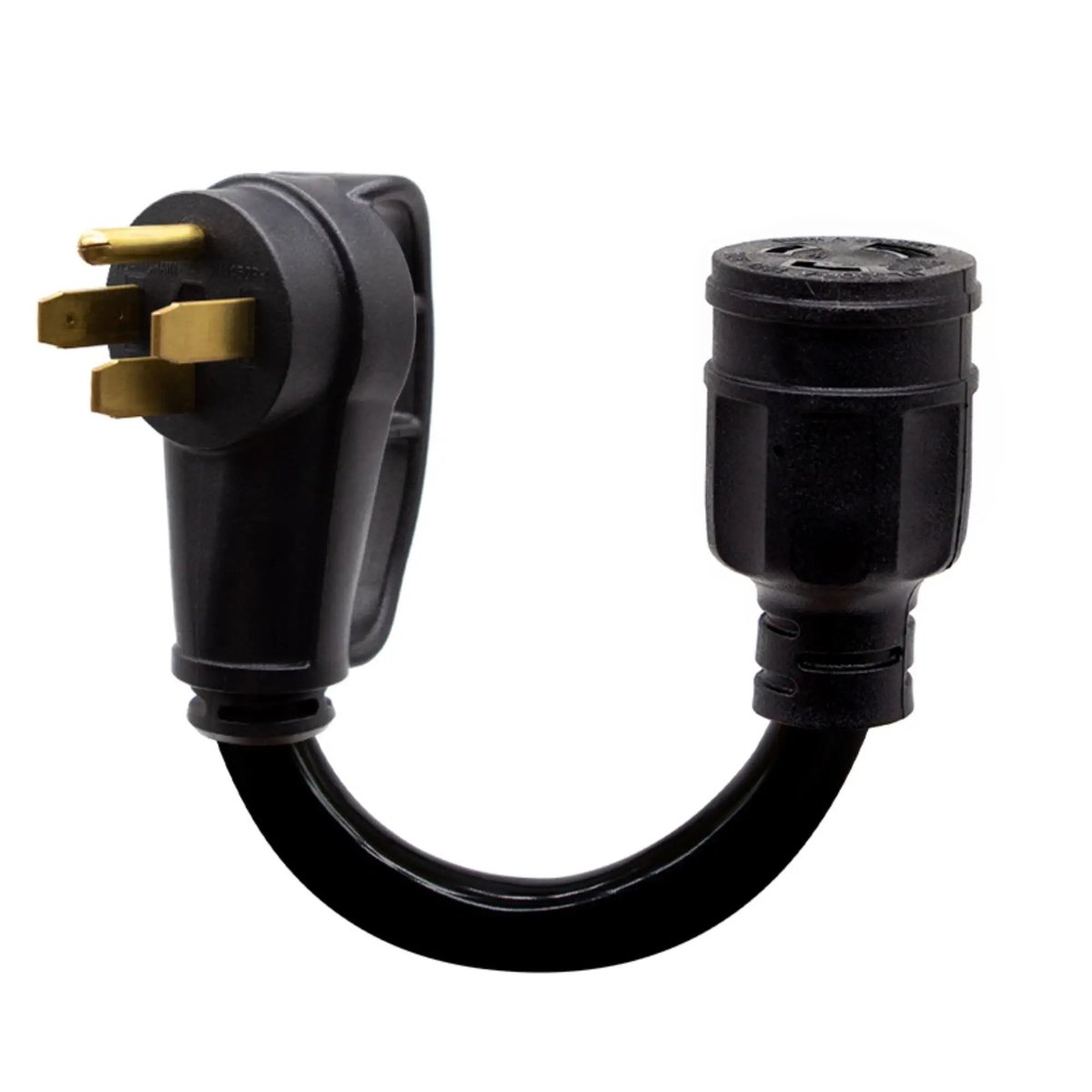
When the power goes out, your generator becomes a lifeline. But a generator is only as good as its connection to your home, RV, or essential equipment. That's where the 30 amp generator power cable steps in, acting as the critical link that safely transfers power from your generator to where it's needed most. Choosing the right cable isn't just about getting power; it's fundamentally about ensuring safety, reliability, and preventing costly damage or dangerous situations.
This flagship guide will navigate you through everything you need to know about 30 amp generator power cables. We'll explore their essential features, guide you through the selection process, discuss safe usage, and help you keep them in top condition for years to come.
The Foundation of Reliable Power: What is a 30 Amp Generator Power Cable?
At its core, a 30 amp generator power cable is a specialized heavy-duty extension cord designed to handle significant electrical loads, typically up to 7500 watts at 125/250 volts. These cables are engineered for durability, safety, and efficient power transfer, making them indispensable for emergency power situations or off-grid living. Unlike standard extension cords, 30 amp generator cables feature specific gauges, insulation, and locking connectors to withstand demanding outdoor conditions and prevent hazardous disconnections.
The robustness of these cables is key. You'll often find them with a 10-gauge wire, which is thick enough to minimize voltage drop and prevent overheating under a 30-amp load. Their insulation, like SJTW or STW, is built to resist abrasion, moisture, extreme temperatures, and UV exposure. To truly understand the construction and purpose of these vital links, you'll want to dive deeper into Understanding your generator cables Learn about the technical specifications and why they matter for your setup.
Making the Right Connection: Key Factors for 30 Amp Generator Cable Selection
Selecting the perfect 30 amp generator power cable isn't a one-size-fits-all decision. It involves carefully considering several crucial factors that directly impact performance, safety, and longevity. Getting this right ensures your power connection is secure, efficient, and resilient, regardless of the conditions.
Cord Length and Flexibility
Generator cords typically range from 10 to 50 feet. While a longer cord offers more placement flexibility for your generator, always choose the shortest length necessary for your setup. This minimizes voltage drop, ensuring your appliances receive consistent power and reducing the risk of overheating. Look for cables that maintain flexibility even in extreme hot or cold temperatures, making them easier to handle and store.
Wire Gauge and Power Rating
For 30 amp applications, a 10-gauge cable is the industry standard. This gauge is essential for safely carrying up to 7,500 watts at 125/250 volts without excessive voltage drop or overheating. Always verify that the cable you choose is ETL or UL certified, which signifies it meets rigorous safety and performance standards. Thicker gauges are always better for safety and efficiency.
Weather and Temperature Resistance
Since generators are often used outdoors, your cable's ability to withstand the elements is paramount. Prioritize cables with weatherproof insulation, such as SJTW or STW jackets. These materials are designed to resist sunlight, moisture, abrasion, and temperature extremes, often remaining flexible down to -40°F or below. An IP65 or similar waterproof rating is a critical feature for reliable operation in rain or snow, protecting internal components from water ingress.
Plug Type and Locking Mechanism
The standard connector for 30 amp generator cords is a NEMA L14-30P to L14-30R twist-lock plug. This locking mechanism is vital because it prevents accidental unplugging during generator operation, especially in adverse weather or busy environments. A secure connection is non-negotiable for both safety and consistent power delivery.
Additional Features for Enhanced Safety and Convenience
Some 30 amp generator cords come with smart additions that enhance their utility. Pre-drilled inlet boxes can significantly simplify installation, providing a convenient and weather-protected entry point for your generator's power. Strain relief designs are another crucial feature, protecting the plugs and cables from damage caused by bending or pulling, which extends the cable's lifespan. Finally, brightly colored cables (like yellow) improve visibility, reducing tripping hazards and making them easier to spot in dim light or overgrown areas. For a deeper dive into these considerations and more, let our comprehensive guide help you Choose your 30 amp power cable with confidence.
Powering Up Safely: Installation and Operation of Your 30 Amp Generator Cable
Once you've selected the ideal 30 amp generator power cable, understanding how to install and operate it safely is paramount. Improper use can lead to serious hazards, including electrical shock, fire, or damage to your generator and appliances. Safety should always be your top priority.
Connecting your generator directly to your home's electrical system requires a manual transfer switch and an inlet box to prevent dangerous "backfeeding" into the utility grid. Always ensure all connections are tight and secure, especially the twist-lock mechanism. Position your generator in a well-ventilated area, away from windows and doors, to avoid carbon monoxide poisoning. Never operate a generator in an enclosed space. To master the essential practices for safe setup and use, explore our detailed guide on Safe generator cable operation Install generator with peace of mind.
Unleashing Versatility: 30 Amp Generator Cable Applications and Adapters
The utility of a 30 amp generator power cable extends across various scenarios, making it a versatile tool for both emergencies and everyday power needs. Whether you're powering your home during an outage, enjoying the comforts of an RV on a road trip, or running heavy-duty tools at a remote job site, these cables are designed to handle the load.
Common applications include connecting portable generators to:
- Homes: Via a manual transfer switch and an inlet box, powering essential circuits like refrigerators, sump pumps, and lights.
- RVs and Campers: Supplying power for air conditioning, heating, and onboard appliances at campgrounds or boondocking sites.
- Work Sites: Running high-draw power tools and lighting in areas without direct grid access.
While 30 amp cables are designed for direct connections, understanding adapters is also crucial for maximizing your generator's utility, especially when dealing with different receptacle types. For an exhaustive look at all the ways you can utilize your generator cable and when to consider adapters, check out our guide on 30 Amp Generator Cable Applications.
Guarding Your Investment: Maintenance and Longevity of Generator Power Cables
Your 30 amp generator power cable is a critical piece of equipment, and like any valuable tool, it requires proper care and maintenance to ensure its longevity and continued safe operation. Neglecting your cable can lead to premature wear, performance issues, or even dangerous electrical faults.
Regular inspection is key. Before and after each use, visually check the cable for any signs of damage: cuts, frayed insulation, cracked plugs, or corrosion on the prongs. Store your cable properly – coiling it loosely rather than tightly winding it prevents internal wire damage. Keep it clean and dry, away from harsh chemicals or extreme temperatures, which can degrade the insulation over time. By following a simple routine, you can significantly extend the life of your cable and ensure it's always ready when you need it most. Learn all the best practices to ensure your cable performs reliably for years by consulting our guide on Maintaining generator power cables.
Empowering Your Power Needs
Choosing the right 30 amp generator power cable and using it correctly is more than just a technical task; it's an investment in safety, preparedness, and peace of mind. By understanding the critical features, making informed selections, adhering to safe operating procedures, and performing routine maintenance, you empower yourself to harness your generator's full potential, securely and reliably. Take these steps seriously, and your power cable will serve you faithfully for years to come, keeping your essential systems running when it matters most.