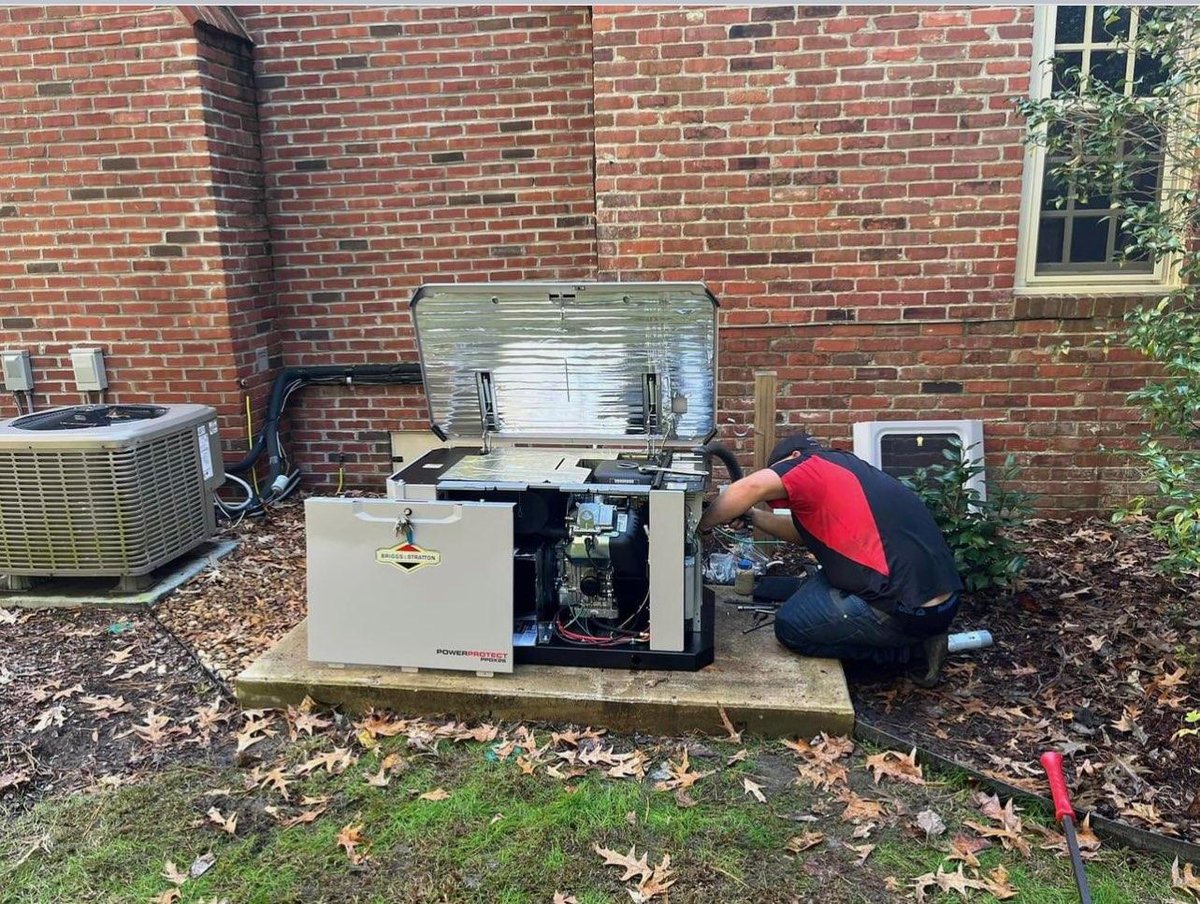
When the power goes out, your generator steps in, a humming sentinel against the dark. But for that lifeline to truly hold, every component needs to be in prime condition—especially the unsung heroes, your power cables. The Maintenance and Longevity of Generator Power Cables isn't just a technical detail; it's the bedrock of reliable, safe, and efficient power when you need it most. Neglect these critical conduits, and you risk not just inconvenience, but safety hazards, costly repairs, and a system that fails precisely when you're counting on it.
This guide will pull back the curtain on how to keep your generator's power cables in peak working order, ensuring they deliver consistent power for years to come.
At a Glance: Ensuring Your Generator Cables Go the Distance
- Lifespan: Generator power cables typically last 5-10 years, though manufacturers often suggest replacement every 3-5 years.
- Key Factors: Material quality, environmental exposure, usage frequency, and proper installation profoundly impact cable life.
- Warning Signs: Look for physical damage (cuts, cracks), flickering lights, or thermal issues (overheating, burnt smell).
- Maintenance Essentials: Regular visual inspections, correct storage, avoiding overloads, and environmental protection are crucial.
- When to Replace: Immediately replace any cable with exposed wires, melting insulation, a burnt odor, or significant performance drops.
- Professional Help: Consult a certified professional for any doubts about cable safety or severe damage.
More Than Just Wires: Understanding Your Generator's Lifeline
A generator is a significant investment in your peace of mind and safety. While the engine and alternator often get the most attention, the power cables are equally vital. They are the arteries that carry electricity from the generator to your home or essential appliances. Just like the generator itself, which typically lasts 15-20 years for residential units and 10-15 years for commercial units with proper care, these cables have a finite lifespan that can be significantly extended with proactive maintenance.
Regular maintenance for your entire generator system—including tasks like oil and filter changes, battery checks, and cooling system reviews—is critical. It prevents premature wear, ensures fuel efficiency, and protects your investment. This same philosophy applies directly to your power cables. Ignoring them is like meticulously maintaining a car engine but forgetting to check the tires; the whole system is only as strong as its weakest link.
The Clock on Your Cables: What Influences Lifespan?
While the general guideline suggests generator power cables can last between 5 and 10 years, many manufacturers prudently recommend replacement every 3 to 5 years. This wide range isn't arbitrary; it reflects the multitude of factors that actively chew away at a cable's integrity over time. Understanding these can help you anticipate issues and take preventative steps.
Material Matters: The Foundation of Durability
Not all cables are created equal. The very building blocks of your cable dictate much of its resilience:
- Conductor Material:
- Copper: Renowned for its excellent conductivity and durability, copper cables are a premium choice, offering superior performance and longer life. They handle heat and stress better.
- Aluminum: While lighter and often more cost-effective, aluminum cables have lower conductivity than copper. They can be more prone to corrosion and thermal expansion/contraction, which can lead to loosening connections over time if not properly maintained.
- Insulation Quality: The outer jacket of your cable is its first line of defense. High-grade insulation, like certain types of PVC (Polyvinyl Chloride) or robust rubber compounds, provides superior protection against physical damage, moisture, chemicals, and UV radiation. Cheaper, less durable insulation will degrade faster, exposing the conductors to harm.
The Elements at Play: Environmental Conditions
Your cable's surroundings are a relentless adversary. Prolonged exposure to harsh conditions can dramatically shorten its life:
- Extreme Temperatures: Both intense heat (which can melt insulation) and extreme cold (which can make insulation brittle and prone to cracking) accelerate degradation.
- Moisture & Water: Water ingress can lead to corrosion of the conductor and compromise insulation integrity, creating serious shock hazards. Keeping cables dry is paramount.
- Chemical Exposure: Oils, fuels, solvents, and other chemicals commonly found around generators can erode or dissolve insulation materials.
- Direct Sunlight (UV Radiation): Ultraviolet rays break down many types of insulation, causing them to crack, fade, and lose their protective qualities.
How You Use It: Frequency and Load
The way you operate your generator directly impacts cable health:
- Usage Frequency: Cables used frequently experience more heating and cooling cycles. This thermal stress can cause insulation to expand and contract, leading to microscopic cracks over time.
- Overloading: Consistently drawing more power than a cable is rated for causes excessive heat buildup. This is a primary culprit for insulation damage and, in severe cases, can lead to melting or fire. Always ensure your cables are rated for your generator's output and the appliances you're powering. This is especially true when considering a 30 amp generator power cable guide, where proper gauge and insulation are non-negotiable for safety.
Setting Up for Success: Installation Practices
Even the best cable can fail prematurely if not installed correctly:
- Sharp Bends & Kinks: These create stress points, both on the conductor and the insulation, weakening the cable's structure.
- Tight Pulls/Stretching: Excessive tension during installation can damage internal wiring or thin the insulation.
- Proximity to Heat Sources: Running cables too close to the generator's exhaust or other hot components accelerates thermal degradation.
- Incorrect Connectors: Using the wrong type or poorly crimped connectors can lead to resistance, heat buildup, and intermittent power.
Deciphering Your Cables: Key Specifications
Understanding the labels on your generator power cables isn't just for electricians; it's vital for safe and effective operation.
- AWG (American Wire Gauge): This number indicates the wire's diameter. A smaller AWG number means a thicker wire, capable of carrying more current. For example, a 10 AWG cable can handle more power than a 14 AWG cable. Always match the AWG to your generator's output and load requirements.
- Voltage Rating: This specifies the maximum voltage the cable is designed to safely handle (e.g., 600V, 1000V). Ensure it meets or exceeds your generator's voltage output.
- Temperature Rating: This indicates the maximum operating temperature the insulation can withstand without degrading (e.g., 60°C, 90°C). Higher ratings are crucial for cables exposed to heat.
- Compliance Standards: Look for certifications from organizations like UL (Underwriters Laboratories) and adherence to NEC (National Electrical Code) standards. These signify that the cable has met rigorous safety and performance tests.
The Silent Cues: Recognizing Signs of Cable Damage
Your generator cables rarely fail without warning. Learning to identify the subtle (and not-so-subtle) signs of wear and tear can prevent minor issues from becoming dangerous emergencies.
Visual Cues: Physical Damage
This is often the easiest damage to spot and demands immediate attention.
- Cuts, Cracks, or Abrasions: Any breach in the outer insulation exposes the conductive wires to moisture, dirt, and potential short circuits. Even a small nick can quickly worsen.
- Discoloration or Fading: This can indicate UV damage or prolonged exposure to heat, weakening the insulation.
- Swelling or Bulges: These suggest internal damage, possibly due to overheating or insulation breakdown.
- Exposed Wires: A critical safety hazard. Never operate a generator with exposed wires on its power cables.
- Corrosion or Rust: Look for green or white powdery residue on connectors or where the cable meets the plug, indicating moisture ingress and degraded conductivity.
Performance Indicators: Electrical Issues
Sometimes the problem isn't visible on the surface, but your power delivery will tell a story.
- Flickering Lights or Intermittent Power Loss: These can be symptoms of a loose connection, internal wire damage, or degraded conductivity within the cable.
- Voltage Drops: If your appliances aren't receiving their full power, a damaged cable might be causing excessive resistance and voltage loss along the line.
- Generator Struggles: A faulty cable can put an undue load on your generator, causing it to work harder, consume more fuel, or even trip circuit breakers.
The Warning Signals: Thermal Degradation
Heat is the enemy of electrical insulation. Pay close attention to these signs:
- Cable is Hot to the Touch: While some warmth is normal, a cable that feels excessively hot is a major red flag, indicating an overload or internal damage.
- Melted or Deformed Insulation: This is a clear sign of severe overheating and immediate replacement is necessary.
- Burnt Smell: A tell-tale sign of electrical overheating. If you smell burning plastic or a distinct "electrical" odor, power down immediately and investigate.
Proactive Protection: Maintenance Tips for Longer Cable Life
Extending the life of your generator power cables isn't complicated, but it requires consistent attention. Incorporate these practices into your regular generator maintenance routine. For broader generator health, you might also find our portable generator maintenance guide helpful.
The Routine Check: Regular Visual Inspections
Make this a habit before and after each use, and during your monthly generator exercise.
- Look, Feel, Smell: Visually scan the entire length of each cable. Run your hands along it to feel for any bumps or soft spots. Don't hesitate to sniff for any unusual odors.
- Examine Connectors: Pay close attention to where the cable connects to the generator and the transfer switch or extension cord. Ensure connections are tight, free of corrosion, and that the insulation around them is intact.
- Check for Strain Relief: Ensure cables aren't being pulled tightly at their connection points. Strain relief mechanisms are designed to prevent damage there.
Smart Storage: When Not in Use
Proper storage is crucial for preserving cable integrity during dormancy.
- Coil Loosely: Never wrap cables tightly or kink them. Coil them into large, loose loops. This prevents internal wires from bending sharply and stressing the insulation. Use cable ties or Velcro straps to secure coils.
- Dry, Cool Place: Store cables indoors, in a dry, cool environment, away from direct sunlight, extreme temperatures, and excessive humidity.
- Off the Floor: If possible, hang coiled cables on hooks or store them on shelves. Keeping them off the ground protects them from dampness, spills, and potential rodent damage.
- Avoid Heavy Objects: Never place heavy items on top of stored cables, as this can crush the insulation or damage internal conductors.
Power Management: Avoiding Overloads
This is perhaps the most critical operational practice.
- Match Cable to Load: Always use cables with an AWG rating appropriate for your generator's output and the combined wattage of the devices you're powering. If you're unsure, err on the side of a thicker, lower AWG cable.
- Don't Daisy Chain: Avoid plugging multiple extension cords or power strips into one another, as this can easily create an overloaded circuit and stress your generator cable.
- Monitor Appliance Load: Be mindful of the surge and running wattage of your appliances. Stagger their startup if necessary to avoid overwhelming the generator and its cables.
Environmental Shielding: Protection During Operation
While in use, your cables are vulnerable. Mitigate risks:
- Shield from Elements: Whenever possible, keep cables out of direct rain, snow, or standing water. Use appropriate outdoor-rated cables and ensure connections are weather-resistant.
- Protect from Debris: Route cables away from areas where they might be cut by sharp objects, driven over, or come into contact with chemicals or hot exhaust.
- Elevate Off Ground: If operating on wet ground, try to elevate cables using non-conductive supports to prevent contact with moisture.
- Mind Traffic: Route cables carefully to avoid tripping hazards or placement in high-traffic areas where they might be stepped on or damaged by equipment. Following essential generator safety tips will always include proper cable management.
The Replacement Dilemma: When to Say Goodbye
Knowing when to replace a generator power cable is less about its age and more about its condition. While manufacturers offer guidelines, your eyes and common sense are the ultimate arbiters.
Clear-Cut Cases: Safety First
If you observe any of these, replacement is non-negotiable and immediate:
- Exposed Wires: Any visible copper or aluminum conductor is an extreme shock hazard.
- Melted or Charred Insulation: This indicates severe overheating and imminent failure.
- Pungent Burnt Smell: A clear sign of electrical fire risk.
- Severe Cuts or Abrasions: If the insulation is deeply cut or worn through in multiple places.
- Compromised Connectors: Loose, corroded, or broken plugs and receptacles pose a significant risk.
Performance Drops: Efficiency and Reliability Concerns
If your cables show signs of diminished performance, even without visible damage, it's time to consider replacement:
- Persistent Flickering Lights: Even after checking the generator and appliances, if flickering continues, the cable might be the culprit.
- Unexplained Voltage Drops: If your power output is consistently lower than expected.
- Frequent Circuit Breaker Tripping: While it could be an overloaded circuit, it might also point to cable resistance issues.
Following Manufacturer Guidelines
Always consult your generator and cable manufacturer's recommendations. If they suggest replacing cables every 3-5 years, and yours are nearing or past that mark, even if they look okay, it's a wise preventative measure, especially if you rely heavily on your generator. This proactive approach saves you from potential headaches and costs down the line.
While minor, superficial damage might seem repairable with electrical tape, this is almost never a safe or long-term solution for generator power cables. The high currents and outdoor use environments demand robust, intact insulation. When in doubt, always replace. For professional assistance in evaluating your cables or installing new ones, consider local repair services, such as those in Bradenton, FL, or certified dealers like Generac in Sarasota, FL, who can offer comprehensive maintenance support. Understanding selecting the right generator power cable for your specific needs is also crucial for safe operation.
Investing in Preparedness: Your Next Steps
Maintaining the longevity of your generator power cables isn't an option; it's a necessity for ensuring reliable power when you need it most. By understanding what makes your cables tick, diligently inspecting them, and replacing them proactively, you're not just extending the life of a component—you're safeguarding your home, your family, and your peace of mind.
Take a moment today to inspect your generator's power cables. Are they free from cracks, frays, and discoloration? Are the connectors secure and clean? If you spot any of the warning signs discussed, prioritize replacement. Consider upgrading to higher-quality, outdoor-rated cables if your current ones are showing their age or are not suited for your operating environment.
Remember, your generator system is an interconnected web of components, and the cables are foundational to its performance. Investing a little time in their care now can save you from inconvenient outages, costly emergency repairs, and potential safety risks down the line. Power reliability truly begins at the cable.