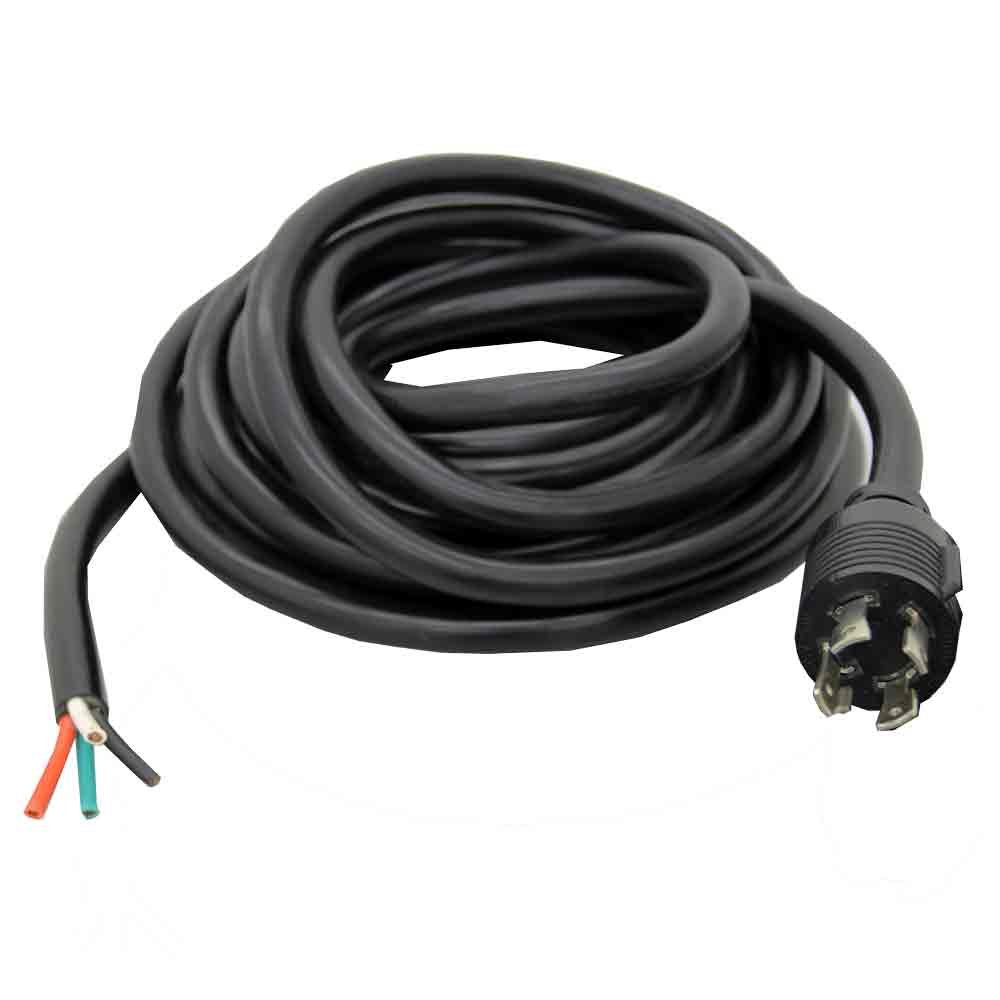
Power outages are an inevitable part of modern life, but a portable generator can be your beacon in the dark. Yet, the lifeline connecting your generator to your home or essential appliances – the 30 amp generator cable – is often an afterthought. Far more than just a wire, understanding the Safe Operation and Installation of 30 Amp Generator Cables is critical for both your generator's optimal performance and, more importantly, your personal safety.
Think of it this way: your generator is the heart, pumping power, and the cable is the artery. If that artery is too narrow, too long, or damaged, the flow of power falters, leading to inefficient operation, potential equipment damage, and serious safety hazards like overheating and fire. As an electrical expert, I've seen firsthand the dangers of overlooking these details. This guide will walk you through everything you need to know to ensure your power setup is not just functional, but impeccably safe and efficient.
At a Glance: Key Takeaways for Safe 30 Amp Generator Cable Use
- Voltage Drop is Your Enemy: Longer cords and thinner wires (higher AWG) lead to reduced power at your devices, which can cause overheating and damage. Aim for less than a 3% voltage drop.
- Gauge Matters Most: Lower AWG numbers mean thicker cables. For 30 amp loads, use 10 AWG for short runs, 8 AWG for medium, and 6 AWG for longer distances.
- Measure Twice, Cut (or Buy) Once: Accurately measure the distance between your generator and the power inlet/device. Add a little slack, but avoid excessive length.
- Quality Over Cost: Always choose generator-specific cords certified by standards like UL, designed for outdoor use, with proper insulation and weather resistance. Copper is preferred for conductivity.
- Never Daisy-Chain: Connecting multiple extension cords together significantly increases resistance and voltage drop, creating serious fire hazards.
- Inspect Regularly: Check cords for cuts, wear, or exposed wires before every use. Damaged cords must be replaced immediately.
Why Your 30 Amp Generator Cable Is More Than Just a Wire
When you invest in a 30 amp generator, you're buying resilience. But that resilience can be undermined by a seemingly innocuous component: the power cable. It's not just about getting power from point A to point B; it's about how that power gets there. The right cable ensures your appliances receive consistent, reliable electricity, while the wrong one can turn a convenient backup into a frustrating, even dangerous, liability. Optimal performance, in this context, directly translates to the health and longevity of your generator and the safety of your home.
The Silent Power Thief: Understanding Voltage Drop
Imagine trying to drink water through a very long, very thin straw. It takes more effort, and you get less water. Electricity behaves similarly. As power travels through a cable, it encounters resistance, which causes the voltage to drop. This "voltage drop" is the reduction in electrical pressure between your generator and the device it's powering.
Why it matters for your 30 amp setup:
- Insufficient Power: Your devices won't get the full 120 volts they need to operate efficiently, leading to sluggish performance or failure. Motors, in particular, suffer.
- Overheating Hazards: The "lost" voltage doesn't just disappear; it's converted into heat within the cable. Excessive heat can melt insulation, damage the cord, and even spark fires.
- Tripped Breakers: Your generator's internal breakers might trip prematurely due to the increased current draw caused by the voltage drop, leading to frustrating shutdowns.
Electrical experts universally recommend keeping the voltage drop below 3% for optimal performance. For a 120V system with a 30 amp load, this means you want to maintain a voltage drop of no more than approximately 3.6 volts. Going beyond this threshold puts both your equipment and your safety at risk.
Decoding Wire Gauge: The Thicker, The Better Rule
The American Wire Gauge (AWG) system might seem counterintuitive at first glance: the lower the AWG number, the thicker the wire. This thicker wire has less electrical resistance, meaning it can carry higher current loads with less voltage drop.
For a 30 amp generator, choosing the correct wire gauge is paramount. A cable that's too thin for the amperage and length will lead to significant voltage drop, overheating, and potential damage or fire. It’s a fundamental safety and efficiency consideration for any generator owner, and especially crucial for a 30 amp system that's designed to power multiple essential loads.
The True Cost of Cutting Corners: Safety Risks You Can't Ignore
While the lure of a cheaper, thinner, or longer general-purpose extension cord might be tempting, the safety risks associated with improper 30 amp generator cables are severe and far-reaching.
- Fire Hazard: This is the most immediate and terrifying risk. Overheated cords can ignite nearby flammable materials, leading to catastrophic fires.
- Equipment Damage: Insufficient power delivery due to voltage drop can stress and damage motors, sensitive electronics, and appliances connected to your generator.
- Electrical Code Violations: Using improperly rated or installed cords can violate local electrical codes, potentially leading to fines or, more importantly, compromising the safety of your property.
- Voided Insurance Claims: In the event of an electrical fire or damage caused by an improperly used generator cable, your insurance company might deny your claim if professional standards and codes were not followed.
- Electrocution Risk: Damaged insulation from overheating, or using non-weather-resistant cords in outdoor conditions, exposes live wires, creating a direct electrocution hazard.
Always, always use cords certified by recognized standards like UL (Underwriters Laboratories) and ensure they are explicitly rated for outdoor use. These certifications mean the cable has undergone rigorous testing for safety and durability under specified conditions. For a more comprehensive look at general generator safety, you might find our guide on generator safety essentials particularly useful.
Choosing Your Lifeline: Selecting the Right 30 Amp Generator Cable
Picking the right cable isn't about guesswork; it's about making informed decisions based on a few key factors. Here’s a practical, step-by-step approach.
Step 1: Measure Your Distance Accurately (Then Add a Little)
Before you buy, grab a tape measure. Determine the exact distance from your generator's intended placement (which should be outdoors, away from windows and doors for carbon monoxide safety) to your power inlet box or the appliances you'll be running.
Practical Tip: Add 5-10 feet for mobility and flexibility, allowing you to reposition the generator slightly or navigate obstacles. However, resist the urge to buy a cord that’s excessively long "just in case." Unnecessary length increases resistance, contributes to voltage drop, and creates tripping hazards.
Step 2: Match Wire Gauge to Length (The Gold Standard)
This is the most critical decision. The thicker the wire (lower AWG number), the longer it can safely be for a given amperage without significant voltage drop. For a 30 amp generator, here's what electrical experts recommend:
- 10 AWG: Ideal for short distances. Think 20-30 feet, typical for RVs parked close to a power pedestal, or when your generator inlet is very near your generator's location.
- Example: Connecting a generator directly to an RV inlet 20 feet away.
- 8 AWG: Best for medium distances. If you need to place your generator a bit further from your power inlet, say 30-50 feet, an 8 AWG cable is your go-to. This is a common choice for home backup power setups where the generator needs to be a safe distance from the house.
- Example: Running a generator 40 feet away from a home's transfer switch inlet.
- 6 AWG: Reserve this for long distances. When your generator must be placed 50-75 feet or even further from your power source, a 6 AWG cord is essential to minimize voltage drop and maintain efficiency and safety. Outdoor job sites often require these longer, thicker cables.
- Example: Powering equipment at a construction site from a generator 60 feet away.
Why this matters: These recommendations are designed to keep voltage drop below that crucial 3% threshold, ensuring your devices run optimally and your cable stays cool. For an in-depth exploration of wire gauge selection, check out our guide to choosing the right generator cable gauge.
Step 3: Prioritize Generator-Specific, Quality Cords
Not all cords are created equal. A generator power cable is exposed to the elements and high power loads, so quality is non-negotiable.
- Generator Specific: Look for cords specifically labeled for generator use. These are designed with the correct male (NEMA L14-30P locking plug) and female (NEMA L14-30R locking receptacle) connectors for 30 amp, 120/240V generator outlets.
- Insulation & Weather Resistance: The cable jacket should be heavy-duty, designed to withstand abrasion, oil, chemicals, and extreme temperatures. Look for markings like "STW," "SJTW," or similar, indicating outdoor, weather-resistant ratings.
- Material Matters: Copper offers superior conductivity compared to aluminum, resulting in less resistance and heat buildup. Almost all high-quality generator cables use copper wiring.
- UL Certified: Always confirm the cable is listed by Underwriters Laboratories (UL) or another recognized testing agency. This certification is your assurance that the product meets stringent safety standards.
Environmental conditions like extreme heat or moisture can significantly degrade cords over time. Investing in a high-quality, weather-resistant cord is an investment in safety and longevity.
Step 4: Inspect Regularly and Avoid Daisy-Chaining
Even the best cables can wear down. Make it a habit to inspect your generator cable every single time before use.
- Check for Damage: Look for any cuts, nicks, abrasions, cracks in the insulation, or exposed wires. Pay close attention to the plug and receptacle ends, where stress often occurs.
- Heat Damage: Feel the cable after it's been in use for a while. It should be warm, not hot. If it's hot to the touch, it's a sign of overload or excessive voltage drop, and you need to investigate immediately.
- Replace, Don't Repair: A damaged cable is a serious safety hazard. Do not attempt to tape, splice, or repair a generator cable. Replace it with a new, properly rated cord.
Crucial Warning: Never connect multiple cords.
This practice, known as "daisy-chaining," significantly increases total resistance, drastically escalates voltage drop, and creates multiple points of failure. The result? Greatly increased risk of overheating, fire, and damage to your generator and connected appliances. If you need a longer cord, buy a single, appropriately gauged cord of the correct length. There's no safe way to extend a 30 amp generator cable by linking smaller ones.
Beyond the Cable: Safe Installation & Operation Best Practices
The cable is crucial, but it's part of a larger system. Safe operation involves integrating your cable correctly into your overall generator setup.
Generator Placement: Keep It Safe and Sound
- Outdoors, Always: Generators produce carbon monoxide, an invisible, odorless, and deadly gas. Always operate your generator outdoors, at least 20 feet away from your home, windows, doors, and vents. Position the exhaust away from any structures.
- Level and Dry Surface: Place the generator on a stable, level surface, protected from direct rain or snow. Never operate a generator in standing water or damp conditions.
Making Connections: Secure and Correct
- Correct Receptacles: Ensure your generator has a 30 amp locking receptacle (NEMA L14-30R) and your cable has the matching plug (NEMA L14-30P). This locking mechanism prevents accidental disconnection and ensures proper contact.
- Transfer Switch or Inlet Box: For home backup power, always connect your generator to a properly installed manual transfer switch or a generator inlet box. This prevents "backfeeding" electricity into the utility grid, which can electrocute utility workers and damage your generator. Do not simply plug your generator into a wall outlet in your home (a practice known as a "suicide cord"). You can learn more about proper home backup setups in our article on home backup generator installation.
- Protect from Damage: Route your cable carefully, avoiding sharp edges, heavy foot traffic, or areas where it could be pinched or run over. Use cable protectors if necessary.
Load Management: Don't Overwhelm Your System
Your 30 amp generator has a maximum wattage output. While the cable is designed to carry the current, exceeding the generator's capacity will still cause issues.
- Calculate Your Needs: List all appliances you plan to power and their wattage. Sum them up to ensure you stay within your generator's running wattage capacity.
- Start Large, Then Small: When connecting appliances, start your generator, then plug in larger, high-draw items first, followed by smaller ones. This prevents an initial surge from tripping breakers.
- Monitor Output: Many modern generators have built-in power meters. Keep an eye on the load to avoid overloading your generator, which can damage it and cause brownouts.
Grounding: An Essential Layer of Protection
While your generator cable helps deliver power, proper grounding of the generator itself is a critical safety step, especially if your generator is not connected to a transfer switch that grounds it through your home's electrical system. Consult your generator's manual for specific grounding instructions. This typically involves connecting a heavy-gauge copper wire from the generator's grounding terminal to a grounding rod driven into the earth.
For those using generators for recreational purposes, like RVs, specific considerations apply. Our guide on RV generator setup guide offers tailored advice for mobile power needs.
Demystifying the Math: Maximum Safe Length Explained
While you don't need to be an electrical engineer to safely use a generator, understanding the underlying principles can empower your choices. The maximum safe length of a cable for a given amperage and voltage drop is derived from Ohm's Law and the specific resistance of the wire.
The formula provided in our ground truth, "Voltage Drop (V) = Current (I) × Length (L) × Resistance per Foot (R)," highlights that voltage drop increases with current and length, and decreases with lower resistance (i.e., thicker wire). Each wire gauge has a specific resistance per foot.
However, for most users, memorizing formulas isn't necessary. The practical guidance regarding 10 AWG for short, 8 AWG for medium, and 6 AWG for long distances for a 30 amp load already incorporates these calculations to keep you within that safe 3% voltage drop. These guidelines are your best practical tool. For a deeper dive into the technical specifications and calculations of generator power cables, our Guide to 30 amp generator power cable provides comprehensive information.
Common Myths and Mistakes to Avoid
In the world of temporary power, misinformation can be as dangerous as outright neglect. Let's bust a few common myths about 30 amp generator cables:
- Myth 1: "Any extension cord will do if it fits the plug."
- Reality: Absolutely not. Standard household extension cords are not rated for the amperage, voltage, or outdoor conditions of a generator setup. They are too thin, lack proper insulation, and will quickly overheat, posing a severe fire and electrocution risk. Always use a generator-specific cable.
- Myth 2: "Thicker is always better, so buy the thickest you can find."
- Reality: While thicker wires (lower AWG) are crucial for longer runs, buying an unnecessarily thick and expensive 6 AWG cord for a 15-foot run isn't essential. It's heavier, harder to manage, and more costly without providing a significant additional benefit over a properly gauged 10 AWG for that short distance. Match the gauge to your specific length needs.
- Myth 3: "It's just for a few hours, so safety isn't as critical."
- Reality: Electrical hazards don't care about the clock. An improperly matched or damaged cable can overheat and cause a fire in minutes. Safety protocols are non-negotiable, regardless of how long you plan to run your generator.
- Myth 4: "I can just run the cable through a window or under a door."
- Reality: This creates multiple problems. It pinches the cable, potentially damaging the insulation, and compromises the seal of your home, allowing carbon monoxide and moisture to enter. Always use a generator inlet box for a secure, sealed connection to your home's electrical system.
Your Action Plan for Powering Up Safely
Navigating the nuances of 30 amp generator cables might seem complex, but by focusing on a few core principles, you can ensure your setup is both safe and effective.
- Assess Your Needs: Determine where your generator will be placed and the exact distance to your power inlet or appliances. Add a small buffer, but resist excessive length.
- Choose Wisely: Select a generator-specific cable with the correct NEMA L14-30P/R connectors. Prioritize a heavy-duty, outdoor-rated, UL-certified cord. Most importantly, choose the right wire gauge: 10 AWG for short runs, 8 AWG for medium, and 6 AWG for long distances.
- Inspect Before Every Use: Make a habit of thoroughly checking your cable for any signs of damage. If you find any, replace the cable immediately.
- Install with Care: Ensure your generator is placed safely outdoors and on a stable, dry surface. Use a proper transfer switch or inlet box for home connections. Route the cable to prevent damage or tripping hazards.
- Operate Responsibly: Never daisy-chain cords. Monitor your generator's load and avoid overworking it. Follow all grounding procedures outlined in your generator's manual.
Your 30 amp generator is a powerful tool for preparedness and convenience. By dedicating a little time to understanding and implementing these safe operation and installation practices for its power cable, you're not just ensuring optimal performance; you're safeguarding your property, your equipment, and, most importantly, your peace of mind.